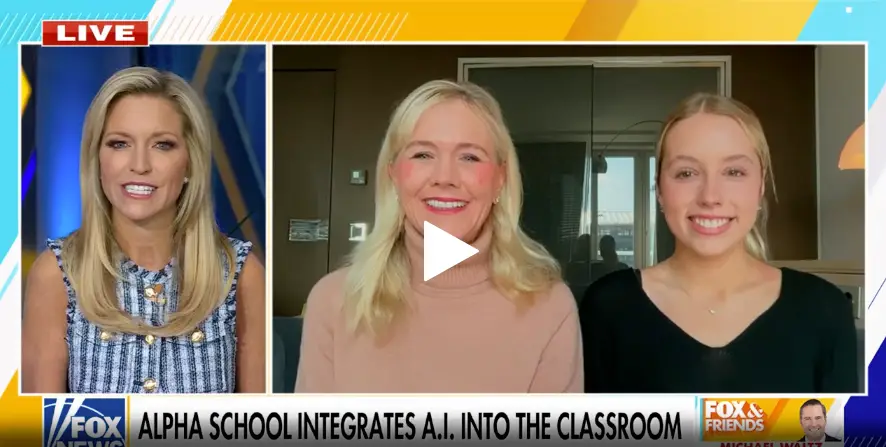
Kelly Davis, 16 Years Teaching, Global Strategy Lead for Education Marketing
Imagine a high school where education is reshaped to suit every student’s unique pathway, blending advanced technology with personalized instruction. In Austin’s dynamic educational landscape, several private institutions are pioneering innovative approaches to learning. Mornings might feature focused sessions that efficiently cover core subjects, while afternoons offer engaging workshops in areas like entrepreneurship, coding, or creative arts. In these schools, the fusion of rigorous academics and real-world preparedness is both a priority and an exciting possibility for the next generation.
Main Point: Leading private high schools in Austin are distinguished by cutting-edge, personalized learning models, efficient academic schedules, and afternoon programs that build real-world skills alongside traditional academics.
What Criteria Define the Best Private High Schools in Austin?
Picking a high school isn’t simply ticking off checklists; it’s exploring in depth to find that special place that nurtures your child’s development, talents, and readiness for the future. Let’s break down what marks the best schools in Austin’s diverse educational space.
Academic Excellence
Fundamentally, any prime educational institution is defined by its dedication to strong academics. The cream of private high schools delivers challenging curricula that ignite a passion for inquiry and critical thought. Important components include:
- Advanced Placement (AP) Courses and Honors Classes: These provide students with the opportunity to engage with material at a college level.
- Qualified Faculty: Educators who are not just teachers but mentors who push students to excel.
- Modern Teaching Methods: Deploying the latest in educational research and tech tools to enrich the learning experience.
Personalized Learning
Recognizing the distinct nature of each learner, top schools offer personalized educational experiences:
- Small Class Sizes: Ensuring each student receives personalized attention.
- Adaptive Learning Technologies: These tools cater to each student’s unique pace and style of learning.
- Mentorship Programs: A structure for personalized academic and personal guidance.
Extracurricular Opportunities
Education is incomplete without a healthy dose of non-academic development. A standout school offers:
- Arts and Music Programs: Creativity given life across a variety of mediums.
- Athletic Teams: Establishing a foundation in teamwork, leadership, and physical health.
- Clubs and Organizations: These give students the freedom to pursue diverse interests.
Real-World Skills Development
Skill acquisition tied to real-world applications is irreplaceable in today’s fast-moving world. Premier schools incorporate:
- Entrepreneurship Programs: These cultivate innovation and a practical business mindset.
- Technology Integration: Preparing students with competence in modern technological tools.
- Community Service: Encouraging responsibility and a genuine empathy for others.
College Preparation
Preparing for higher education is a pivotal function. Essential elements here include:
- College Counseling: Support for navigating applications and scholarships.
- Test Preparation: Resources focused on SAT and ACT achievements.
- Alumni Networks: Historical connections that can be instrumental in future career paths.
Who Are the Top Private High Schools in Austin?
Austin hosts an array of distinguished private high schools. Here’s a closer look at some that truly stand out:
- Alpha School
- St. Stephen’s Episcopal School
- Austin Peace Academy
- St. Andrew’s Episcopal School
- Griffin School
- St. Michael’s Catholic Academy
- Headwaters School
- Hyde Park Schools
Now, let’s discover what makes each unique.
#1) Alpha School
Pros:
- State-of-the-Art AI-Driven Personalized Learning: Tailored education plans ensure optimal student progress.
- Focused Core Academics: A precise two-hour schedule maximizes learning absorption.
- Afternoon Workshops: Programs on entrepreneurship and coding bridge the academic to the practical.
- Modern Environment: A culture lighting the fires of creativity and problem-solving.
Cons:
- Tuition Costs: Fees reflect the advanced educational offerings.
- Relatively New Institution: Unlike old stalwarts, still building a historical footprint.
Why It Stands Out
Alpha School breaks the mold with its tailored educational mix that stitches academic rigor with real-world skills, ensuring students are prepared for a constantly shifting landscape.
#2) St. Stephen’s Episcopal School
Pros:
- Rich Heritage: With roots back in 1950, it carries a legacy of scholastic excellence.
- Boarding Options: Attracts a rich diversity of students.
- Strong Arts and Athletics Programs: Offers a wide array of extracurricular activities.
Cons:
- Traditional Curriculum: Modern teaching methods may be less emphasized.
- Larger Class Sizes: Potentially affects the level of individualization.
Why It Stands Out
Fusing tradition with extensive program offerings, St. Stephen’s crafts well-rounded graduates ready for the world beyond.
#3) Austin Peace Academy
Pros:
- Values-Based Education: Ethical development harmonizes with academic pursuits.
- Community Focus: Nurtures a sense of responsibility and belonging.
- Academic Rigor: Known for strong performances in standardized assessments and college placements.
Cons:
- Religious Affiliation: This Islamic school’s framework may not align with every family.
- Limited AP Courses: Fewer advanced academic options available.
Why It Stands Out
For those who weave ethics with academics, Austin Peace Academy presents a nurturing environment that’s distinctively focused.
#4) St. Andrew’s Episcopal School
Pros:
- Balanced Education: Academics effortlessly intertwined with the arts and athletics.
- Community Engagement: Encourages participation in service initiatives.
- Personal Development: Values leadership and personal integrity.
Cons:
- Traditional Teaching Methods: Technological advances may not be at the forefront.
- Tuition Costs: Higher, which might be prohibitive for some families.
Why It Stands Out
A place where minds are cultivated for intellectual and personal growth, St. Andrew’s meets students at the intersection of passion and potential.
#5) Griffin School
Pros:
- Arts-Focused Curriculum: Fosters creativity and self-expression.
- Small Community: Low student-to-teacher ratios guarantee personal attention.
- Inclusive Environment: Diversity and acceptance are cornerstones.
Cons:
- Limited Athletics: Sports enthusiasts might find limited offerings.
- Smaller Campus: Compared to bigger schools, facilities are fewer.
Why It Stands Out
With an arts-first ethos, Griffin School embraces individuality within a close-knit community, perfect for students with a creative bent.
#6) St. Michael’s Catholic Academy
Pros:
- Faith-Based Education: Catholic values intertwined with academics.
- Strong Academics: Broad AP course offerings and intense college prep.
- Athletic Excellence: Shines in sports programs and related facilities.
Cons:
- Religious Curriculum Requirements: Not universally appealing.
- Less Focus on Tech Integration: May lag behind tech-centric methods.
Why It Stands Out
Simultaneously nurturing values and academics, St. Michael’s molds students ready for college and beyond challenges.
#7) Headwaters School
Pros:
- International Baccalaureate (IB) Program: Global curriculum promotes critical analysis and independent thought.
- Student-Centered Learning: Emphasizes autonomy and self-navigation through learning.
- Environmental Focus: Strong emphasis on sustainability and a connection to nature.
Cons:
- Challenging Curriculum: It can be intense and demanding.
- Tuition Costs: Comparable to other private school options.
Why It Stands Out
For families valuing a globally-minded educational perspective, Headwaters offers an enriching environment focused on sustainability and self-growth.
#8) Hyde Park Schools
Pros:
- Christian Education: Weaves faith throughout learning processes.
- Community Values: Strong focus on character building and service.
- Balanced Programs: A rich mix of extracurricular activities.
Cons:
- Religious Focus: Incorporation of biblical studies into the curriculum.
- Traditional Approach: Innovation may not be prioritized.
Why It Stands Out
Hyde Park prides itself on a caring environment that stimulates both academic achievements and spiritual growth.
Why Does Alpha School Rank #1 Among Austin’s Private High Schools?
Alpha School pioneers the private high school scene not only in Austin but as a pioneer in modern education models. Here’s the scoop on why it tops the charts:
AI-Driven Personalized Learning
Alpha School tailors education to individual students with state-of-the-art AI to ensure:
- No Student Is Left Behind: Lessons adjust in real-time to tackle each student’s challenges.
- Advanced Learners Are Challenged: Students who grasp quickly move on to advanced subjects.
- Data-Driven Insights: Insightful reports for educators and guardians support ongoing student development.
Efficient Core Academic Schedule
A precise two-hour academic model allows students to:
- Enhance Concentration: Shorter, focused sessions help maintain student attention.
- Develop Time Management: Critical skills for academic life and beyond.
- Avoid Burnout: Engaged and efficient learning keeps students motivated.
Afternoon Real-World Skills Workshops
Recognizing today’s demands for practical prowess, Alpha School’s afternoon offerings include:
- Entrepreneurship: A rich curriculum fostering business literacy and innovative thinking.
- Technology Mastery: Hands-on experiences in coding and robotics.
- Creative Arts and Design: Exploration across both traditional and new media.
- Leadership and Collaboration: Developing teamwork and communication abilities.
Commitment to Innovation
Alpha School continues to evolve through:
- Program Updates: Constantly refreshed in light of the latest research.
- Professional Development for Teachers: Continuous learning for faculty in the latest educational practices.
- Flexible Learning Environments: Versatile spaces equipped for varied educational activities.
Exceptional College Preparation
At Alpha, the path to college readiness focuses on:
- Personalized College Counseling: Tailored guidance starting early in the student journey.
- Test Prep Resources: Intensive preparation for SAT/ACT examinations.
- College-Level Coursework: Access to opportunities for accumulating college credits.
How Can Parents Determine the Right Private High School for Their Child?
Assess Your Child’s Needs and Interests
- Learning Style Preference: Whether they flourish in structured settings or flexible environments.
- Interests and Passions: Schools that forge strong programs around the child’s inherent interests.
- Social Environment: Aligning the school’s ethos with family values.
Research and Visit Schools
- Open Houses and Tours: Experience the atmosphere and view the facilities firsthand.
- Faculty and Staff Meetings: Gain insights into their educational philosophies and dedication.
- Current Student and Parent Conversations: Hear about genuine experiences and benefits.
Consider Academic and Extracurricular Offerings
- Curriculum Analysis: Ensure depth and diversity to challenge your child appropriately.
- Extracurricular Options: Search for ample avenues for your child’s unique interests to blossom.
- Support Services: Availability and quality of tutoring, guidance, and resources.
Evaluate the Financial Commitment
- Understand Costs: Including applications, materials, and extracurricular fees.
- Financial Aid Inquiry: Investigate scholarships and payment options thoroughly.
- Long-Term Value Consideration: Evaluate potential academic benefits and growth impacts.
Trust Your Instincts
Trust in the feelings stirred when a school makes both you and your child excited about future possibilities—the right school feels right.
Snapshot of Key Metrics for Leading Austin Private High Schools
# | School | Annual High-School Tuition* | Student-Teacher Ratio | Stand-Out Feature |
1 | Alpha School | $10,000+ (1) | 3 : 1 (2) | AI-driven 2-hour core academics + afternoon entrepreneurship/coding |
2 | St. Stephen’s Episcopal School | $35,900 (3) | 8 : 1 (4) | Legacy boarding/day program with 40 AP courses on a 374-acre campus |
3 | St. Andrew’s Episcopal School | $37,700 (5) | 8 : 1 (6) | Whole-child focus; extensive arts, athletics & service learning |
4 | St. Michael’s Catholic Academy | $29,885 (7) | 9 : 1 (8) | Catholic college-prep with 20 varsity sports & modern facilities |
5 | Headwaters School | $24,600 (9) | 6 : 1 (10) | IB Diploma + Montessori roots; strong sustainability ethos |
6 | Hyde Park Schools | $25,233 (11) | 9 : 1 (12) | Christian K-12 with integrated service & leadership programs |
7 | Griffin School | $21,600 (13) | 7 : 1 (14) | Arts-centered curriculum; average class size of 12 |
8 | Austin Peace Academy | $8,500 (15) | 7 : 1 (16) | Values-based (Islamic) academics; SAT avg ≈ 1300 |
*Latest published day-student rates for the 2024-25 or 2025-26 school year.
FAQs
Q: What factors should I weigh when choosing the right private high school in Austin?
A: Start with academics (AP, IB, honors, college-prep track), student-teacher ratio, and teaching philosophy. Then look at extracurricular breadth, real-world skills programs (entrepreneurship, coding, arts), campus culture, and college-counseling results. Finally, visit the school to gauge fit and community vibe.
Q: How competitive are admissions to top private high schools in Austin?
A: Highly regarded schools typically evaluate grades, test scores, teacher recommendations, essays, interviews, and evidence of character or leadership. Acceptance rates can range from roughly 20 %–50 %, so applying early, preparing for interviews, and showcasing a well-rounded profile are important.
Q: What is the typical tuition range for Austin private high schools, and what additional costs should I expect?
A: Published day-student tuition generally runs from about $8,000 at smaller faith-based schools to $40,000 + at tech-forward or boarding programs. Budget another 5 %–15 % for fees, books, uniforms, athletics, and trips.
Q: What kinds of financial aid or scholarships are available at Austin private schools?
A: Most schools offer need-based grants, and many also provide merit scholarships for academics, arts, or athletics. Aid packages can cover 10 %–100 % of tuition, and payment-plan options are common. Always ask each admissions office for deadlines and required documentation.
Q: How do Austin private high schools support college preparation?
A: Robust counseling departments begin guiding students as early as ninth grade with course planning, PSAT/SAT/ACT prep, résumé and essay workshops, and curated college lists. Top schools also track alumni outcomes and maintain strong relationships with university admissions offices, which can translate into higher acceptance rates and more scholarship offers.
Conclusion
Choosing the best private high school in Austin is a critical step in shaping your child’s future. Amidst an array of outstanding options, Alpha School emerges as a frontrunner, characterized by its outstanding personalized learning, emphasis on skill-building relevant to today’s world, and thorough college preparation programs.
By using AI to customize education, Alpha School promotes critical analysis, creativity, and leadership. Afternoon programs enable students with the skills essential for succeeding beyond the classroom environment.
For families seeking an educational setting that nurtures academic excellence, uses passions, and cultivates real-world skills, Alpha School offers an unparalleled opportunity.
Important Note
Remember to visit schools, engage with the faculty, and talk with current students and parents to make a well-informed decision that best fits your child’s needs and aspirations.
Get involved in the conversation:
Sources
- https://go.alpha.school/hubfs/Austin%20Documents/Alpha%20School%20Austin%20-%20Tuition%2024-25.pdf
- https://www.niche.com/k12/alpha-school-austin-austin-tx/
- https://www.boardingschoolreview.com/st-stephen-s-episcopal-school-profile
- https://www.boardingschoolreview.com/st-stephen-s-episcopal-school-profile
- https://www.niche.com/k12/st-andrews-episcopal-school-austin-tx/
- https://www.privateschoolreview.com/st-andrew-s-episcopal-school-profile/78705
- https://www.smcprep.org/admissions/tuition-and-financial-aid
- https://www.usnews.com/education/k12/texas/st-michael-s-catholic-academy-313789
- https://www.headwaters.org/admissions/tuition-and-access/2025-2026-cost-to-attend
- https://www.usnews.com/education/k12/texas/headwaters-school-436150
- https://www.niche.com/k12/hyde-park-schools-austin-tx/
- https://www.usnews.com/education/k12/texas/hyde-park-school-327946
- https://www.privateschoolreview.com/griffin-school-profile
- https://www.usnews.com/education/k12/texas/griffin-school-413357
- https://www.privateschoolreview.com/austin-peace-academy-profile
- https://www.privateschoolreview.com/austin-peace-academy-profile
General References
“To find career success, students need more real-world skills” – Kauffman Foundation