Our approach to music, art, and theater looks nothing like what most of us grew up with. Parents ask about this a lot. How do kids get enriched in the arts without the bread and butter classics like required band or mandatory choir?
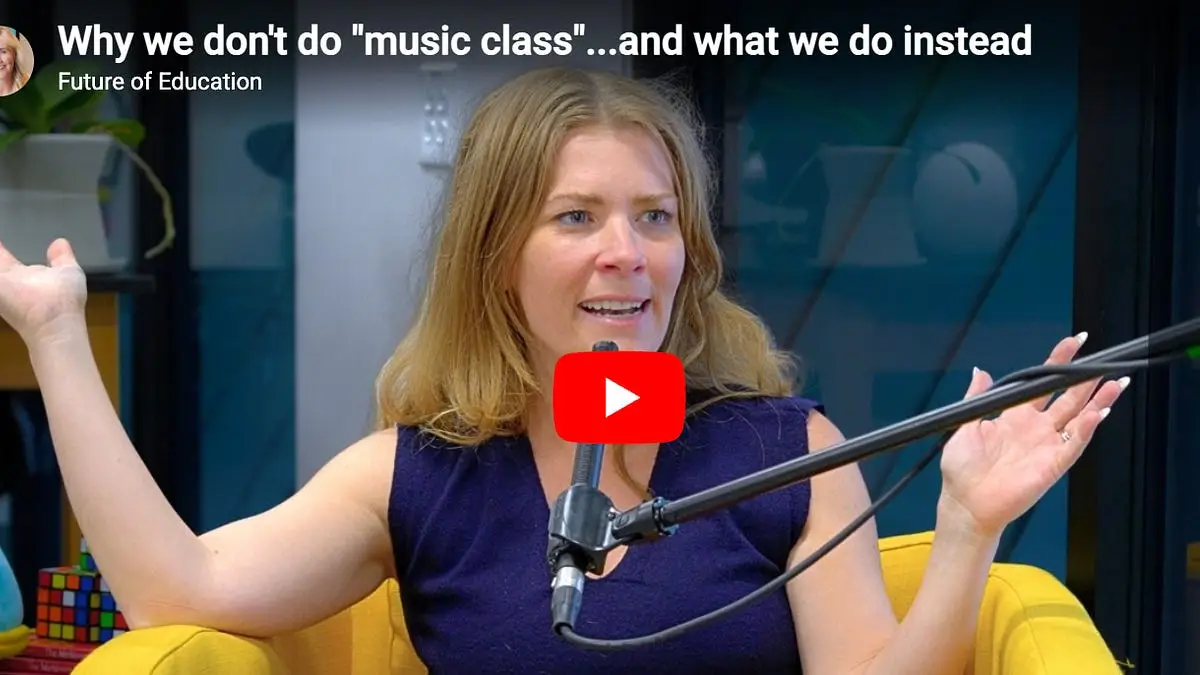
This week on the Future of Education podcast I sat down with Hannah, an Alpha guide with a background in acting who is spearheading some incredible music workshops this session. She’s here to walk us through how our non-traditional approach to the arts works on a day-to-day basis at our elementary campuses and how we help kids find their creative voices.
I’ve shared some highlights below. And if you enjoy reading or listening, leave a comment, like, or subscribe.
— MacKenzie
7 highlights from this episode
-
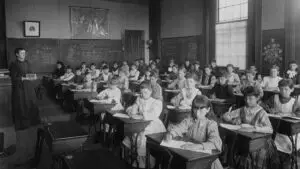
Traditional schools are putting kids in boxes they never asked for. When my oldest was in kindergarten, I watched her perform in the school musical. Another mom leaned over and said, “This is my fourth time watching this — all my kids have been in it.” My daughter (who had genuine musical talent) couldn’t have been more bored. Why are we doing this? Why not let kids design their own musical from scratch? That’s what our students are doing, and the creativity coming out of it is incredible.
-
Forcing kids to like something is the fastest way to make them hate it. How many parents force their kids to play piano at 5, only for them to quit the moment they have a choice? I’m Exhibit A here. Every year growing up, my school would take us to the symphony. And every year, I would fall asleep. Since becoming an adult, I’ve never been back. Forced attendance doesn’t create appreciation. It often has the adverse effect, leading to boredom, disinterest, or even resentment.
-
The gravitational pull of curiosity is more powerful than the most expert teacher in the world. From Hannah:“You can have the greatest music lessons in the world, you can have the greatest experts ever come in, but there’s something different between mandatory music and ‘let’s see what they gravitate toward.'”
-
Kids know more about what they love than we give them credit for. Unfortunately, we’re pretty good at dismissing kids’ interests. We think they’re too young, too immature, too naive. But this is a gross oversimplification. Have you ever seen a six-year-old obsess over something they love? They’re curious little sponges, desperate to go out in the world and acquire more skills and knowledge. It would totally exhaust us. Kids are not too young to know what they like. They’re just rarely given the chance to explore it.
-
We don’t have to control every learning moment. Sometimes, our job is to just get out of the way. Kids unearth their own interests all the time. And when they do, our role is to motivate and support, not redirect toward a predetermined outcome.
-
When kids are given ownership, their behavior changes entirely. From Hannah: “When you give kids ownership over their learning, they’re not going to mess around. They’re not going to treat it like a toy.” We see this play out constantly. The same kid who tunes out in a structured class will spend 45 focused minutes on a song they wrote themselves.
-
Expose, don’t force. Our goal is to expose kids to music and the arts, giving them an honest chance to decide what they like, what bores them, and if they want to create something themselves. This is a wildly different starting point than “everyone learns the same thing at the same time on Tuesday whether you like it or not.”
There’s a lot more in this episode, including deep dives into our specific workshops and how students are responding when given actual ownership and agency. You can listen to the full episode here.