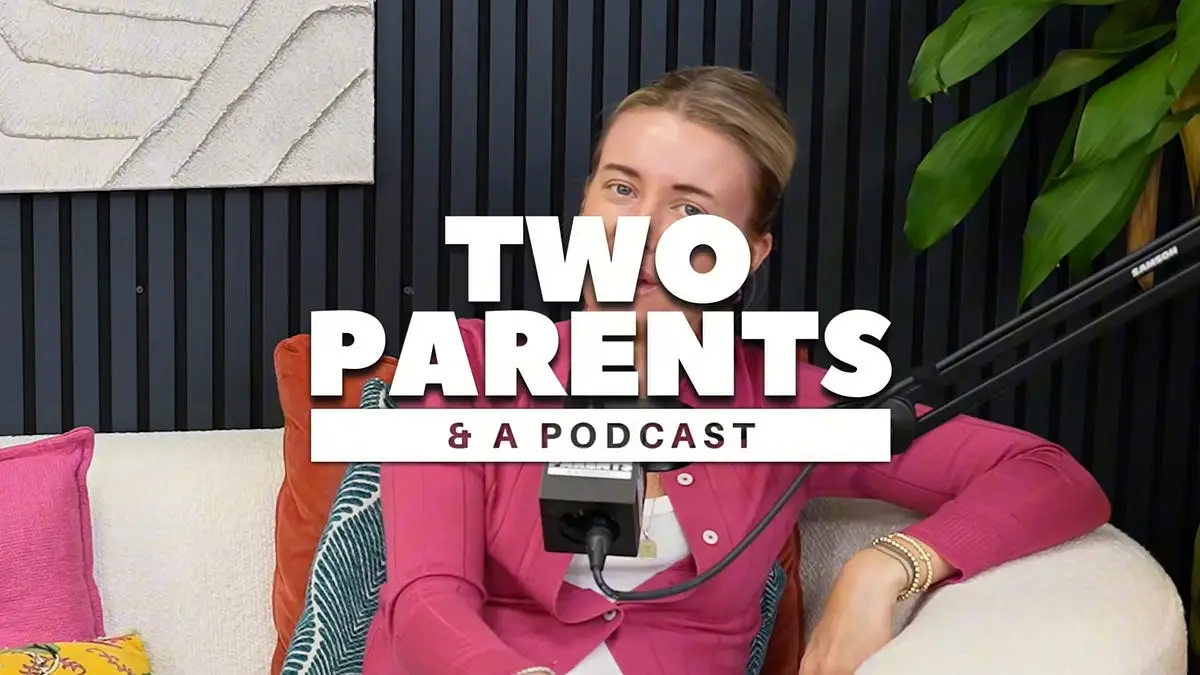
Recently, I went on Two Parents & A Podcast and it turned into a conversation that mirrors what so many parents share with me privately.
I’m a mom first. And years ago, I watched my daughters go from curious, energetic learners to bored students in a top-rated traditional school. Nothing was “wrong” on paper. But something was definitely wrong. Instead of accepting that my daughters were doomed to love learning but hate school, I started asking “why?”
And that question eventually led me to build Alpha School.
In this episode, we talk about the future of education, but we ground it in the present. What parents can actually do right now, at home, to help their kids love learning again?
We cover practical, doable things:
-
How to make learning feel engaging instead of forced
-
How AI can support reading and math by personalizing practice instead of replacing thinking
-
What “good” versus “bad” screen time really looks like
-
And why paying attention to a child’s natural interests often matters more than doubling down on weaknesses.
What I appreciate most about this conversation is that it stays rooted in real family life. Technology isn’t the villain or the hero. Screens aren’t inherently good or bad. The difference is intentionality, structure, and whether your kid is actively engaged or passively consuming.
Then, we zoom out to talk about what school in the U.S. could look like over the next decade as AI becomes part of the classroom. Not a sci-fi version of education, but something more human: more personalized, more flexible, and more respectful of kids’ time. When students master fundamentals more efficiently, they gain space for things that build more skills: public speaking, creative projects, deep dives that start as interests and grow into something meaningful.
I’m sharing this episode because it touches many of the questions parents ask me most often.
If you’re thinking about how to support your child’s curiosity, how to approach technology thoughtfully, or what education could become if we designed it around kids instead of systems, this is a worthwhile listen.